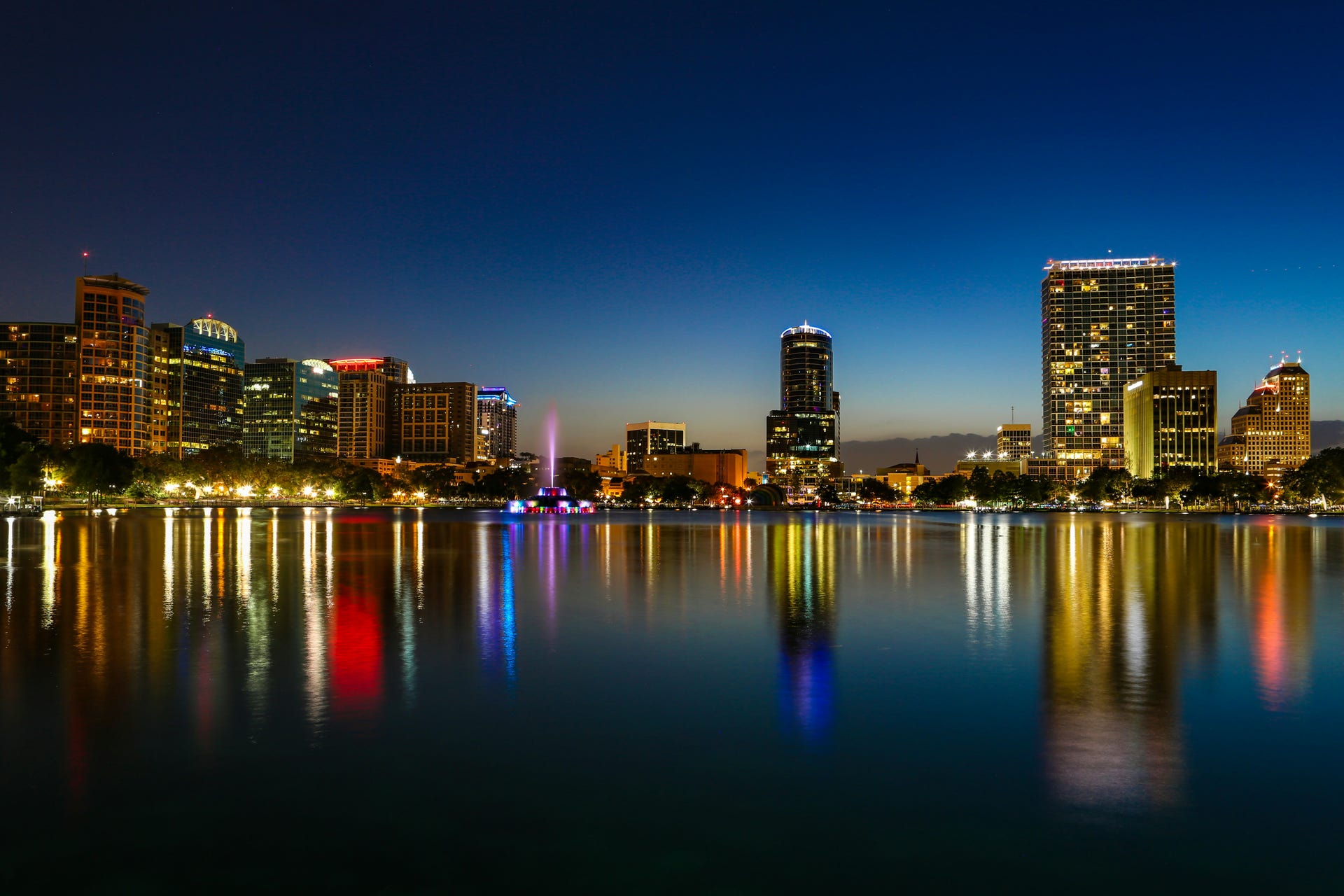
Orlando, Florida Relocation
Before You Move to Orlando: 10 Things Locals Wish New Residents Knew
Every year, hundreds of thousands of people pack up and head to Central Florida, drawn by the sunshine, the theme parks, and the promise of no state income tax. But moving to Orlando is a little different than the postcard version most newcomers picture. Ask anyone who’s lived here for more than a summer, and they’ll tell you there are a few things they wish someone had mentioned before they signed the lease or closed on a house.
This guide rounds up the honest, practical advice longtime Orlando locals give their friends and family before they make the move. It’s the kind of insight that doesn’t usually show up in the tourism brochures.
1. Orlando Is Bigger (and More Spread Out) Than It Looks on a Map
New residents are often surprised by just how sprawling Greater Orlando actually is. “Orlando” isn’t really one compact city. It’s a patchwork of distinct communities like Winter Park, Winter Garden, Lake Nona, Dr. Phillips, and Celebration, each with its own personality, price point, and commute time. If you pick a neighborhood based purely on a map without visiting in person, you can easily end up an hour away from work or the attractions you actually wanted to be near.
Before choosing where to live, think about your daily routine first: Where will you work? Where will the kids go to school? How often do you want to be near the parks versus tucked into a quieter suburb? Spending a weekend exploring a few areas in person tends to save a lot of regret later.
2. Traffic Has a Rhythm. Learn It Before You Need To.
Orlando traffic isn’t as brutal as some bigger cities, but it has its own quirks. I-4 through downtown is notoriously congested during rush hour, and construction has been an ongoing fact of life for years. Tourist corridors like International Drive and the areas near Walt Disney World and Universal Orlando slow to a crawl during peak season and around park closing times.
Locals learn to plan errands and appointments around these patterns rather than fighting them. Toll roads like the 417, 429, and 528 are often worth the few dollars in time saved, especially if you’re commuting across town regularly. If you’re moving to Orlando for work, try driving your likely commute during rush hour before you commit to a neighborhood.
3. Hurricane Season Is a Real Planning Consideration
Central Florida sits inland, which offers some protection compared to the coasts, but hurricane season (June through November) still affects daily life here. Before your first storm season, you should have a basic emergency kit stocked, know your evacuation zone, and understand how your homeowner’s or renter’s insurance handles storm damage.
It’s also worth asking a local real estate agent about flood zones and insurance costs when house hunting, since they can vary a surprising amount from one neighborhood to the next, even within the same city.
4. The Heat and Humidity Take Some Getting Used To
Summers in Orlando are hot and genuinely humid, with regular afternoon thunderstorms that roll in almost like clockwork from June through September. It typically takes one full summer to adjust your routine: scheduling outdoor activities for morning or evening, keeping an umbrella in the car, and getting comfortable with air conditioning as a daily necessity rather than an occasional comfort.
A few practical things that help: tinted car windows make a noticeable difference, a good insulated water bottle becomes your best friend, and if you’re house hunting, pay attention to how much shade a property’s yard and driveway get. Your electric bill during peak summer months is something to budget for, too, since it’s not unusual for cooling costs alone to push utility bills significantly higher than what you’re used to.
5. Property Taxes and Insurance Deserve Real Research
Florida’s lack of state income tax is a big draw, but it’s easy to overlook property insurance costs, which have risen significantly in recent years due to storm risk and market conditions. Homestead exemptions can meaningfully lower your property tax bill for a primary residence, but the paperwork has to be filed. It isn’t automatic.
If you’re moving to Orlando and buying a home, budget carefully and ask a local expert for a realistic, all-in monthly cost before committing. The gap between the mortgage payment alone and the true monthly cost (once you add insurance, taxes, and any HOA fees) catches more newcomers off guard than almost anything else.
6. There’s Way More to Do Here Than Theme Parks
It’s an easy assumption that Orlando begins and ends with Disney and Universal, but locals know the area has a surprisingly rich life outside the parks. Winter Park’s charming Park Avenue shopping district, the lakes and hiking trails around Lake Nona, the farmers markets and historic downtowns scattered across Winter Garden and Celebration, and a genuinely strong local food and craft brewery scene. There’s no shortage of things to do on a regular weekend.
Locals will often say the parks are for visitors, and real life happens everywhere else. That’s one of the best-kept secrets about moving to Orlando: the day-to-day lifestyle here can be just as good as the vacation version, if you know where to look.
7. School Zones Can Make or Break a Home Search
For families, school assignment is one of the most important factors in choosing where to live, and Orlando’s school zones don’t always follow obvious neighborhood boundaries. Two houses on the same street can sometimes fall into different zones. Check school ratings and zone maps early in your search, before you fall in love with a specific home. It’ll save you from a frustrating surprise later.
8. The Cost of Living Isn’t as Low as Some Expect
Orlando has historically been seen as an affordable alternative to Miami or the coasts, but home prices and rents have climbed steadily in recent years as demand has grown. Insurance, HOA fees in newer master-planned communities, and utility costs during peak summer months can add up quickly.
You’ll do yourself a favor by building a realistic monthly budget based on current numbers rather than relying on Orlando’s older reputation for affordability. Talk to people already living in the neighborhoods you’re considering. They’ll give you the unfiltered version of what it actually costs.
9. Community Culture Varies Block to Block
Some Orlando neighborhoods, like Celebration, are built around a strong sense of community with front porches, walkable town centers, and frequent local events. Others are quieter and more private. Neither is better. It really comes down to what kind of daily life you want.
Spend time in a neighborhood at different times of day, and talk to people who already live there. A Saturday morning walk through the area will reveal more about what your life would actually look like than any listing description can.
10. A Local Real Estate Agent Makes the Whole Move Easier
Orlando’s real estate market moves fast, and it has enough neighborhood-level nuance (flood zones, HOA rules, school boundaries, insurance quirks) that navigating it on your own can mean expensive surprises. A knowledgeable local agent can point you toward areas that genuinely fit your lifestyle, flag costs or restrictions that aren’t obvious from a listing, and help you avoid the mistakes that catch first-time Orlando buyers off guard.
Think of it less as hiring someone to show you houses and more as getting a local translator for a city that’s bigger and more layered than most people expect.
Final Thoughts
Moving to Orlando can be a smooth, exciting transition once you know what to expect. The city offers a genuinely great quality of life: sunshine, community, and more to do than most people realize. But a little local knowledge up front goes a long way toward avoiding the surprises that catch newcomers off guard.
Talking with people who already call Orlando home, whether that’s future neighbors or a local real estate agent, is one of the simplest ways to skip the learning curve altogether.
Thinking about making the move to Orlando? Reach out to our team for a no-pressure conversation about which neighborhood might be the right fit, whether that’s the walkable charm of Celebration, the family-friendly streets of Winter Garden, or the modern energy of Lake Nona. We’re happy to share what we know.
Frequently Asked Questions About Moving to Orlando
What should I know before moving to Orlando?
Before moving to Orlando, understand how spread out the metro area is, how rush hour and tourist traffic move, what hurricane season means for your household, and what your true all-in monthly housing cost will be once insurance, property taxes, and HOA fees are included.
What are the best Orlando neighborhoods for new residents?
Popular areas include Winter Park, Winter Garden, Lake Nona, Dr. Phillips, and Celebration. Each has its own personality, price point, and commute time, so the right fit depends on where you work, where your children will go to school, and the kind of daily life you want.
Does Orlando get hurricanes?
Central Florida sits inland, which offers some protection compared with the coasts, but hurricane season runs June through November and still affects daily life. New residents should stock a basic emergency kit, look up their evacuation zone, and review how their insurance handles storm damage.
Is Orlando expensive to live in?
Orlando was long seen as an affordable alternative to Miami and the coasts, but home prices, rents, insurance, HOA fees, and summer utility costs have climbed. Build a budget on current numbers rather than the city’s older reputation for affordability.
How bad is Orlando traffic?
I-4 through downtown is congested at rush hour, and tourist corridors such as International Drive slow considerably during peak season. Many locals use the 417, 429, and 528 toll roads to save time on cross-town commutes.
Does Florida have a state income tax?
Florida has no state income tax, which is one of the biggest draws for people moving to Orlando. Property insurance and property taxes deserve careful research, though, and a homestead exemption on a primary residence must be filed rather than applied automatically.
Thinking About Making Central Florida Home?
Jennifer Schreiber and the Imagination Realty team can help you compare Orlando-area neighborhoods, understand the real cost of ownership, and find a home that fits the way you want to live.
Connect With Our TeamHelpful Relocation Resources
- Florida Division of Emergency Management: Know Your Zone
- Central Florida Expressway Authority: toll roads and E-PASS
- Orange County Property Appraiser: homestead exemption and property records
- Orange County Public Schools: school zone and attendance boundary maps
- Florida Office of Insurance Regulation: property insurance information
Neighborhood conditions, insurance costs, tax rules, school boundaries, and market prices change over time. Confirm current details with the appropriate county office, insurer, or licensed real estate professional before making a move.




Responses